


Home Elevator vs Stair Lift: Choosing the Right Accessibility Solution for Your Home
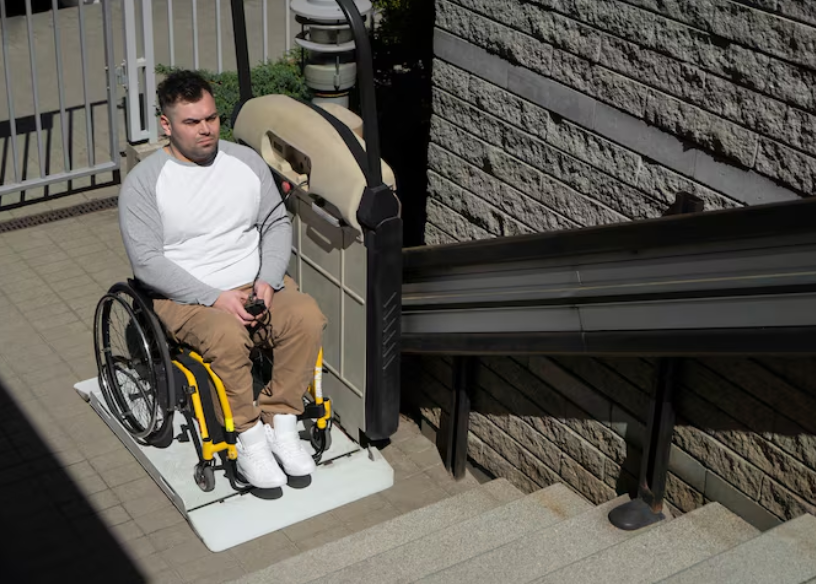
As homeowners plan for long-term comfort, safety, and independence, accessibility improvements are becoming an important part of modern home design. People with limited mobility, older adults, and individuals recovering from injuries may find that moving between floors becomes increasingly difficult over time. Two popular solutions are home elevators and stairlifts, both of which help people navigate multi-level homes more comfortably. Understanding the differences between these options can help homeowners choose a solution that fits their needs, available space, and budget.
When comparing a home elevator vs stair lift, it is important to consider installation requirements, ease of use, maintenance, cost, and long-term benefits. Although both systems improve accessibility, they serve different purposes and offer distinct advantages.
Understanding Home Elevators
A home elevator is a compact lifting system designed to transport people between floors. Unlike commercial elevators, residential models are built specifically for private homes and can be customized to complement different architectural styles. They provide a convenient way to move between levels without using stairs.
Home elevators are available in several designs, including hydraulic, traction, and shaftless models. The appropriate system depends on the home's layout, the number of floors, and the homeowner's accessibility requirements. Some models require a dedicated shaft and machine room, while others have more flexible installation options.
One of the main benefits of a home elevator is its versatility. It can accommodate individuals who have difficulty walking, people using wheelchairs, and homeowners who regularly carry groceries, laundry, or other household items between floors. Depending on the model and cabin dimensions, some elevators can also accommodate a caregiver.
Home elevators can increase convenience for families planning to remain in their homes as they age. They may also improve the property's appeal to future buyers seeking accessible living features.
Understanding Stairlifts
Stairlifts are mechanical mobility devices installed along a staircase. They typically consist of a motorized seat attached to a rail that follows the stairs. The user sits on the seat, fastens the safety belt, and operates the controls to travel between floors.
Most stairlifts include safety features such as swivel seats, obstruction sensors, armrests, footrests, and emergency stop controls. Some models offer powered folding seats or footrests to make operation easier for individuals with limited strength or flexibility.
One significant advantage of stairlifts is that they usually require less structural modification than a home elevator. The rail is commonly attached to the staircase rather than requiring extensive construction throughout the house. This can make installation faster and more practical for homeowners who want to improve accessibility without undertaking a major renovation.
Stairlifts are available for straight and curved staircases. Straight models generally fit standard stairways, while curved models are designed to follow bends, landings, and other unique staircase configurations.
Home Elevator vs Stair Lift: Key Differences
When evaluating a home elevator vs stair lift, homeowners should begin by identifying the primary mobility challenges they need to address.
Space requirements: Stairlifts use the existing staircase and typically need enough room for the seat and rail. When not in use, many models fold to provide additional space for other household members. Home elevators require a suitable installation area, which may involve structural changes depending on the design.
Installation process: Stairlifts generally involve a simpler installation process. A home elevator may require more planning, construction, electrical work, and coordination with qualified contractors. Shaftless elevators can reduce some construction requirements, depending on the property.
Accessibility: Stairlifts are primarily designed for people who can transfer safely onto a seat and remain seated during travel. Home elevators may provide better accessibility for wheelchair users when the cabin and door dimensions meet their needs.
Convenience: Both systems simplify movement between floors. Stairlifts provide a direct solution for navigating a staircase, while elevators offer a more spacious transportation option and may accommodate multiple household items or a mobility device.
Appearance: Stairlifts are visible along the staircase, although modern designs can blend into many interiors. Home elevators can be integrated into a home's design and may offer a more architectural appearance.
Comparing Installation Costs and Long-Term Expenses
Budget is another important consideration when selecting between these accessibility systems. The total cost depends on the equipment, installation complexity, home layout, and any additional construction required.
Stairlifts are generally less expensive to purchase and install than full residential elevators. Straight staircases tend to be more affordable to equip than curved staircases because curved rails often require custom manufacturing. Homeowners should also account for electrical requirements, service visits, replacement parts, and potential battery replacement.
Home elevators typically involve a larger initial investment. Expenses may include the elevator unit, installation labor, structural preparation, electrical upgrades, inspections, and finishing work. Costs can vary significantly depending on the elevator type and the number of floors served.
Maintenance is important for both options. Regular inspections, cleaning, and timely repairs help ensure reliable operation. Before purchasing either system, homeowners should request a detailed estimate covering installation, warranties, routine servicing, and expected replacement components.
Safety Features and Daily Operation
Safety should be a primary factor when selecting accessibility equipment. A suitable system should match the user's mobility level, physical abilities, and confidence when moving around the home.
Stairlifts commonly include seat belts, safety sensors, secure footrests, and controls that are easy to operate. Users should be able to sit down and stand up safely at the designated stopping points. If transferring onto the seat presents a challenge, an occupational therapist or qualified mobility professional can help assess whether a stairlift is appropriate.
Home elevators may include interlocked doors, emergency alarms, backup lowering systems, and sensors that help prevent unsafe operation. The available features vary by model, so homeowners should confirm which protections are included.
Both systems should be installed by qualified professionals and maintained according to the manufacturer's recommendations. Users and family members should receive clear instructions on normal operation and emergency procedures.
Choosing the Best Option for Your Lifestyle
The best solution depends on the household's current needs and future plans. A stairlift may be ideal for someone who can sit comfortably, transfer independently or with appropriate assistance, and needs help navigating a single staircase. It can provide a practical accessibility improvement without requiring a large remodeling project.
A home elevator may be more suitable for wheelchair users, households with multiple mobility needs, or homeowners seeking a long-term solution that supports different stages of life. It can also make moving household supplies between floors more convenient.
When researching stairlifts, homeowners should evaluate the staircase dimensions, available clearance, weight capacity, seating options, and ease of use. A professional assessment can identify the most appropriate model and determine whether installation will interfere with everyday movement around the home.
For elevator installations, it is important to examine available space, doorway widths, electrical requirements, local building regulations, and future accessibility needs. Planning ahead can help homeowners select a design that remains useful as their circumstances change.
Maintenance and Long-Term Reliability
Routine maintenance helps protect the investment and reduce the risk of unexpected equipment problems. Stairlifts should be checked for unusual noises, rail obstructions, worn components, and battery or charging issues. Keeping the track clean and following recommended service intervals can help maintain smooth operation.
Home elevators also require periodic professional servicing. Technicians may inspect mechanical components, door systems, controls, safety devices, and other parts according to the equipment's design. Homeowners should keep service records and arrange repairs promptly when warning indicators or operating problems appear.
When comparing stairlifts with elevators, it is wise to consider the availability of local technicians, replacement parts, and warranty support. Reliable service can make a meaningful difference in the long-term ownership experience.
Conclusion
Choosing between a home elevator and stairlifts requires careful consideration of accessibility needs, installation space, budget, and future plans. Stairlifts provide a practical and often more affordable way to navigate stairs, particularly for individuals who can safely use a seated mobility device. Home elevators offer greater versatility for many households, especially when wheelchair access or broader long-term accessibility is a priority.
Ultimately, the right solution should make daily life safer, easier, and more comfortable. By comparing equipment features, obtaining professional assessments, and reviewing long-term maintenance requirements, homeowners can make an informed decision that supports independence and improves their quality of life for years to come.
 Italiano
 English
 Arabic
 French
 Spanish
 Portuguese
 Deutsch
 Turkish
 Dutch
 Russian
 Romaian
 Portuguese (Brazil)
 Greek