


Nesbit Flexible Partial and Acrylic Partial Denture: Choosing the Right Solution for Missing Teeth
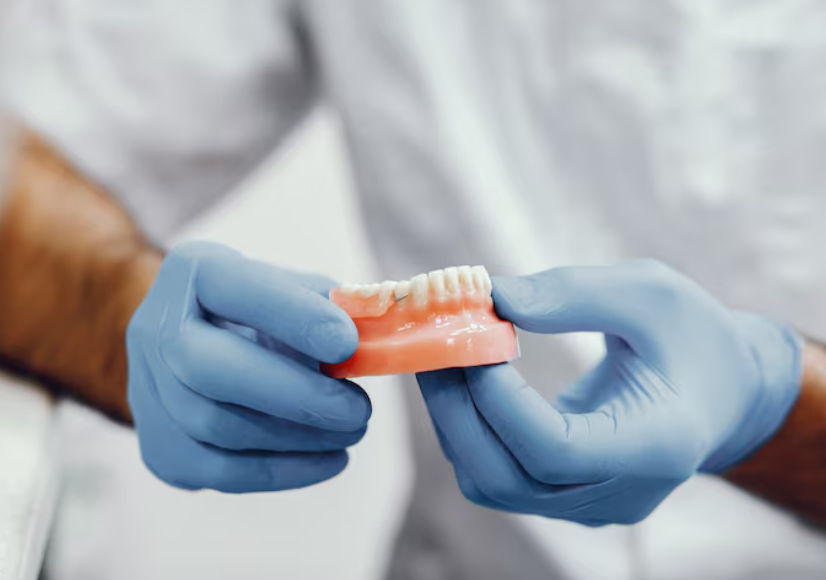
Missing teeth can affect more than the appearance of a smile. They may influence speech, chewing comfort, confidence, and everyday social interactions. Fortunately, several dental solutions can help replace missing teeth without requiring a permanent dental restoration. Among the available options, a nesbit flexible partial and an acrylic partial denture are two choices that people may consider when looking for a practical and convenient way to restore their smiles.
Both options are designed to replace one or more missing teeth, but they differ in materials, flexibility, design, comfort, and maintenance requirements. Understanding these differences can help patients make informed decisions when discussing tooth replacement options with a qualified dental professional.
Understanding a Nesbit Flexible Partial
A nesbit flexible partial is a removable dental appliance designed to replace a single missing tooth or a small number of teeth in a specific area of the mouth. It is commonly associated with flexible thermoplastic materials that can adapt to the contours of the mouth while providing a natural-looking appearance.
One of the main advantages of a flexible partial is its lightweight construction. Traditional removable dentures may feel bulky to some people, while flexible designs can provide a more streamlined fit. The material may also allow the appliance to adapt comfortably around the supporting teeth and surrounding oral tissues.
A nesbit flexible partial is often considered when someone wants to replace a missing tooth without committing to a more extensive dental procedure. Depending on the patient's oral health and the location of the missing tooth, it may provide a convenient temporary or longer-term removable option.
However, not every patient is an ideal candidate. The condition of the remaining teeth, the position of the gap, the patient's bite, and the amount of available support all influence whether this type of appliance is appropriate.
What Is an Acrylic Partial Denture?
An acrylic partial denture is another removable appliance used to replace missing teeth. It is generally made with an acrylic resin base that supports artificial teeth and rests against the oral tissues. Depending on its design, it may include clasps or other features that help keep it in position.
Acrylic partial dentures are widely used because they offer a straightforward approach to replacing missing teeth. They can be designed to restore the appearance of a smile while helping patients regain some chewing function.
One notable benefit of an acrylic partial denture is that it can often be adjusted or repaired when necessary. If a patient's dental situation changes, a dental professional or dental laboratory may be able to modify the appliance, depending on its construction and the nature of the change.
Acrylic partials may also serve as an interim solution while a patient considers other treatments. For example, someone planning future restorative dental work may use a removable partial denture during the treatment process.
Although acrylic dentures can be practical, their fit and thickness are important considerations. An appliance that is poorly fitted may create pressure points, irritation, or discomfort. Professional evaluation and appropriate adjustments help support a better experience.
Comparing Comfort and Fit
Comfort is an important factor when choosing between these two tooth replacement options. A nesbit flexible partial is designed with flexibility in mind, which may help it fit around certain contours of the mouth. Some patients appreciate the lightweight feel and appearance of flexible materials.
An acrylic partial denture typically has a more rigid base. This structure can provide support for the replacement teeth, although some individuals may need time to become accustomed to the appliance. The fit depends on the shape of the mouth, the design of the denture, and the accuracy of the impressions or digital records used during fabrication.
Neither option automatically guarantees a perfect fit. Individual anatomy and dental conditions vary, so the most comfortable choice for one person may not be the best choice for another.
Patients should also understand that removable appliances may require adjustments after delivery. Persistent soreness, looseness, or difficulty chewing should be discussed with a dental professional rather than ignored.
Appearance and Confidence
A natural-looking smile is often one of the primary reasons people explore partial dentures. Both flexible and acrylic appliances can be made with artificial teeth selected to complement the patient's existing teeth.
The flexible material used in a nesbit flexible partial may help create a less noticeable appearance in certain designs. Depending on the product, some flexible components can blend more naturally with the surrounding oral tissues than conventional visible clasps.
An acrylic partial denture can also provide an attractive result when its artificial teeth and base are designed carefully. Color matching, tooth shape, alignment, and the position of the appliance all influence its final appearance.
Patients should discuss their cosmetic expectations before ordering either appliance. A dental professional can explain which designs are likely to work well with the patient's remaining teeth and whether any limitations may affect the final result.
Durability and Everyday Use
Durability is another important consideration. Both types of partial dentures require careful handling, regular cleaning, and appropriate storage when they are not being worn.
A flexible partial may resist certain types of breakage differently from a rigid acrylic appliance because of its material properties. However, flexibility does not make it indestructible. Excessive bending, improper cleaning methods, or damage during removal can affect its performance.
An acrylic partial denture can be durable when properly manufactured and maintained, but acrylic materials may crack or fracture if dropped or subjected to excessive force. Repairs may be possible, although the extent of the damage determines the available options.
Patients should ask about expected service life, repair possibilities, replacement costs, and warranty terms before making a decision. These details can vary considerably between products and providers.
Cleaning and Oral Hygiene
Good oral hygiene is essential for anyone using a removable partial denture. Food particles and plaque can collect around the appliance and the remaining natural teeth, potentially contributing to bad breath, gum irritation, and dental problems.
Both appliances should be cleaned according to the manufacturer's instructions and the recommendations of a dental professional. Patients should avoid using hot water or harsh household cleaning products unless specifically approved, as these may damage the materials.
The remaining natural teeth also need daily brushing and appropriate interdental cleaning. Regular dental appointments allow a professional to check the fit of the appliance, examine the gums, and identify potential problems early.
For people wearing a nesbit flexible partial or an acrylic partial denture, consistent maintenance can contribute to better comfort, hygiene, and long-term performance.
Cost and Treatment Planning
Cost can influence the choice between flexible and acrylic partial dentures. The final price may depend on the material, number of replacement teeth, laboratory procedures, customization, professional fees, and any required follow-up visits.
An acrylic partial denture may be an economical option for patients seeking a removable replacement, while a flexible appliance may have a different price depending on the specific product and fabrication process. Neither option is universally less expensive.
Patients should compare the complete cost of treatment rather than focusing only on the initial purchase price. Questions about adjustments, repairs, replacement, and ongoing dental care can help provide a clearer picture of the overall investment.
It is also important to confirm that the chosen appliance is suitable for the patient's oral health needs. A lower initial cost may not represent the best value if the design does not provide adequate support or comfort.
Which Option Should You Choose?
Choosing between a nesbit flexible partial and an acrylic partial denture depends on several factors, including the location of the missing tooth, the condition of the surrounding teeth, personal comfort preferences, appearance goals, and budget.
A flexible partial may appeal to someone who values a lightweight design and a discreet appearance. An acrylic partial denture may be appropriate for someone seeking a conventional removable appliance that can sometimes be modified or repaired as dental needs change.
However, the right choice cannot be determined by material alone. Certain flexible single-tooth appliances may be unsuitable for particular bite patterns or dental conditions. Likewise, an acrylic partial may require specific design features to remain stable and comfortable.
A dental professional can examine the mouth, evaluate the available support, and explain the benefits and limitations of each option. Patients should also ask whether alternative treatments, including other removable appliances or fixed tooth replacements, may be appropriate.
Conclusion
Replacing missing teeth can help restore confidence, improve appearance, and support everyday oral function. A nesbit flexible partial and an acrylic partial denture offer two different approaches to removable tooth replacement, each with potential advantages and limitations.
Flexible designs may provide a lightweight and discreet option, while acrylic appliances offer a familiar approach that can sometimes be adjusted or repaired. Comfort, durability, hygiene, cost, and suitability should all be considered before choosing either solution.
The best decision begins with an individualized dental assessment. By discussing expectations, understanding the available materials, and following professional care recommendations, patients can select a tooth replacement option that supports their oral health and everyday needs.

 English
 Arabic
 French
 Spanish
 Portuguese
 Deutsch
 Turkish
 Dutch
 Italiano
 Romaian
 Portuguese (Brazil)
 Greek