


Deep Tissue vs Swedish Massage: Exploring the Key Differences
Introduction
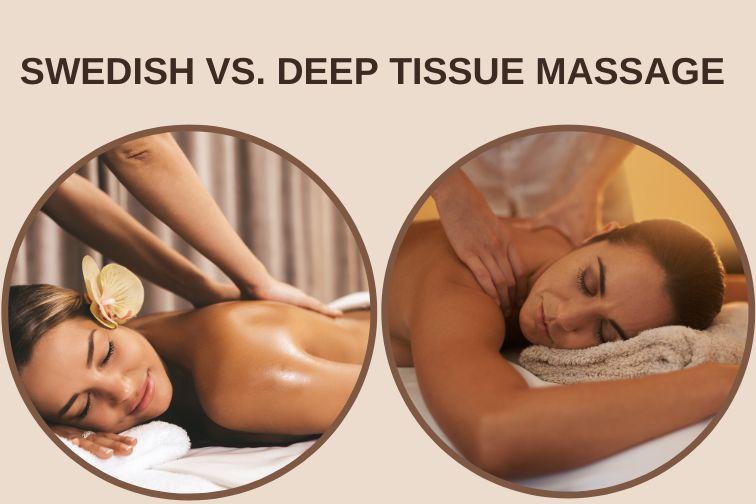
Massage therapy is a popular way to relax, release muscle tension, and enjoy a greater sense of comfort. However, choosing between different massage styles can sometimes be confusing, especially when two options are widely available. Deep tissue vs Swedish massage is a common comparison because both techniques use hands-on massage but have different approaches and purposes. Swedish massage generally emphasizes relaxation through smooth and flowing movements, while deep tissue massage focuses more on specific areas of muscle tension. Understanding these differences can help you decide which style may better suit your preferences.
What Is Swedish Massage?
Swedish massage is a gentle and relaxing massage technique that uses several traditional movements. These may include long gliding strokes, kneading, circular motions, and controlled pressure. The movements are generally performed at a steady pace to create a calming experience.
Many people choose Swedish massage when relaxation is their primary goal. It can also be a comfortable option for people who are new to massage therapy or prefer lighter pressure. Instead of concentrating intensely on one particular muscle, the therapist typically works across broader areas of the body.
The overall experience is designed to feel smooth and relaxing. The pressure can also be adjusted according to individual comfort, making Swedish massage a flexible option for different preferences.
What Is Deep Tissue Massage?
Deep tissue massage takes a more targeted approach. It generally involves slower movements and firmer pressure directed toward deeper layers of muscles and connective tissues. Rather than concentrating mainly on relaxation, this technique is often selected by people who want focused attention on areas of muscle tightness.
During a deep tissue session, the therapist may spend more time working on particular areas instead of applying the same movements throughout the body. Pressure can vary depending on the area being treated and the person's comfort.
Although the name suggests very strong pressure, deep tissue massage should not simply be about tolerating discomfort. Communication with the therapist is important so that the pressure remains appropriate and manageable.
Deep Tissue vs Swedish Massage: Main Differences
The biggest difference between deep tissue and Swedish massage is the way pressure and movements are applied. Swedish massage generally uses smoother, flowing strokes and light-to-moderate pressure. Deep tissue massage usually involves slower, more concentrated movements and firmer pressure.
Another difference is the overall focus. Swedish massage is commonly associated with relaxation and a calming experience. Deep tissue massage is generally more focused on specific areas where muscle tension may be present.
The pace can also vary. Swedish massage often follows a rhythmic pattern that helps create a peaceful atmosphere. Deep tissue massage may move more slowly because the therapist is concentrating on particular muscle groups.
Swedish vs Deep Tissue Massage: Which One Should You Choose?
When comparing Swedish vs deep tissue massage, your personal preferences and goals are important factors. Someone looking for a gentle and relaxing experience may prefer Swedish massage. Its flowing movements can make the session feel calm and comfortable.
On the other hand, someone looking for more focused work on areas of muscle tightness may consider deep tissue massage. Its targeted approach can provide a different experience from the broader movements used in Swedish massage.
There is no universal answer about which technique is better. The most suitable option depends on what you expect from the massage and how comfortable you are with different pressure levels.
Comparing Pressure Levels
Pressure is another important factor when comparing these massage styles. Swedish massage usually involves light to moderate pressure, although the therapist can adjust it based on individual preferences.
Deep tissue massage generally uses firmer pressure and slower strokes. Because the technique focuses on deeper muscle areas, some people may find it more intense than Swedish massage.
However, stronger pressure does not automatically mean a better massage. A comfortable session should take personal tolerance into account. Communicating with the therapist throughout the appointment can help ensure that the pressure remains suitable.
Benefits of Understanding the Difference
Knowing the differences between these techniques can make it easier to communicate your expectations before a massage session. Instead of choosing a massage simply because it is popular, you can consider the type of experience you actually want.
Understanding deep tissue vs Swedish massage can also help first-time clients feel more prepared. You will have a better idea of what the movements, pressure, and overall approach may be like.
If you are uncertain, discussing your preferences with a qualified massage therapist can be helpful. They can explain the techniques and suggest an approach based on your comfort and goals.
Final Thoughts
The comparison between deep tissue vs Swedish massage comes down to differences in pressure, movement, focus, and overall experience. Swedish massage generally offers smooth and flowing movements that emphasize relaxation, while deep tissue massage uses more targeted and concentrated techniques.
When considering Swedish vs deep tissue massage, there is no single choice that works for everyone. Your preferred pressure level, desired experience, and areas of concern can all influence your decision. By understanding how the two techniques differ, you can make a more informed choice and select the massage style that best matches your expectations.

 English
 Arabic
 Spanish
 Portuguese
 Deutsch
 Turkish
 Dutch
 Italiano
 Russian
 Romaian
 Portuguese (Brazil)
 Greek