


What Happens After You Accept an Offer From Cash Home Buyers in Pensacola?
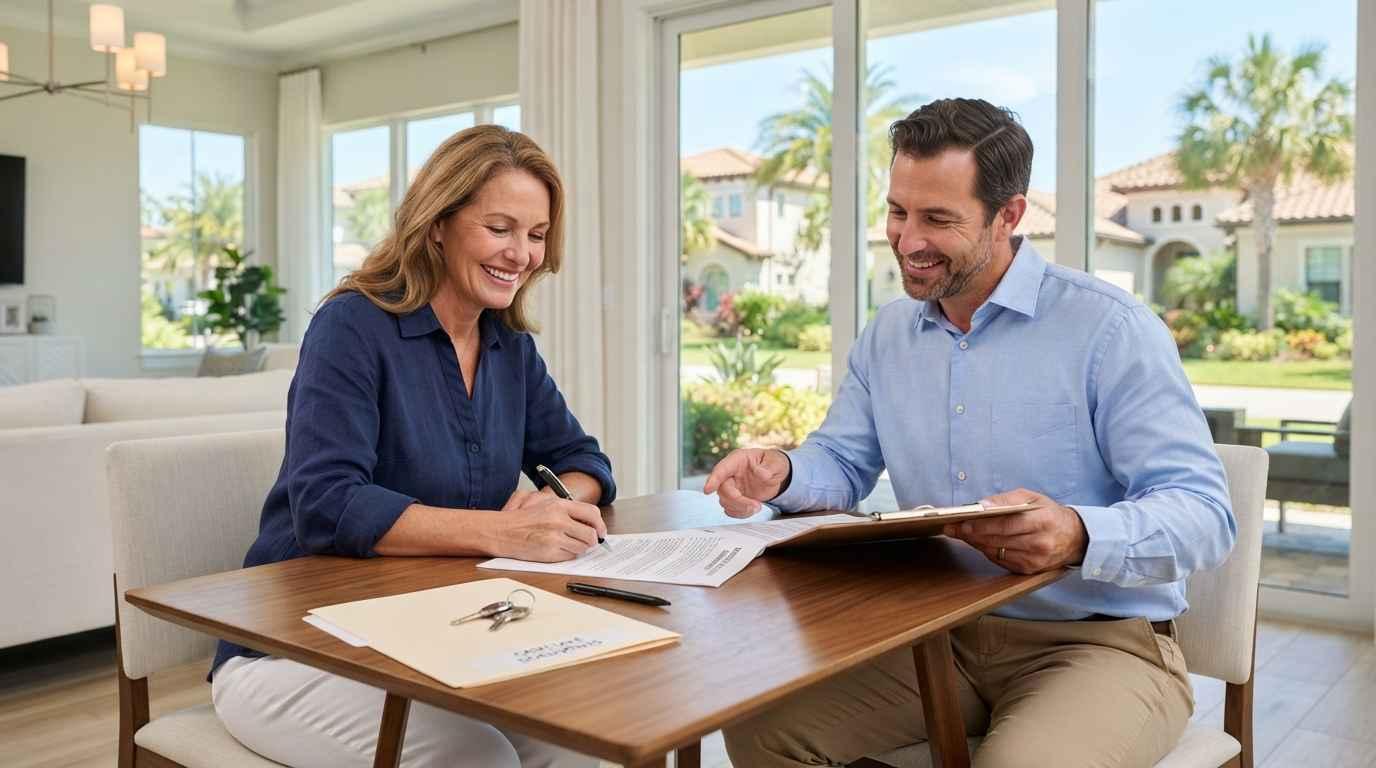
Accepting an offer on your property can feel like a major relief, especially when you want to avoid lengthy negotiations, expensive repairs, and the uncertainty of a traditional home sale. However, many homeowners wonder what happens next after agreeing to sell. Working with Cash Home Buyers in Pensacola can make the selling experience more straightforward, but understanding each step helps you prepare for a smooth transaction. From signing the purchase agreement and reviewing property documents to completing the title search and receiving payment, several important steps take place before the sale is finalized. Knowing what to expect can help you avoid delays, protect your interests, and move forward with confidence.
1. Review and Sign the Purchase Agreement
Once you accept the cash offer, the first important step is reviewing the purchase agreement. This document establishes the terms and conditions of the sale and explains what both parties are expected to do before closing.
The agreement generally includes the purchase price, property address, closing date, deposit arrangements, and any conditions that must be satisfied before ownership transfers. It should also explain whether the buyer is purchasing the property in its current condition.
Before signing, carefully review every section. Make sure the agreed purchase price matches your understanding and that the closing timeline is realistic. If something is unclear, ask questions or consult a real estate attorney before committing.
A clear agreement helps prevent misunderstandings later in the transaction.
2. The Buyer Begins the Property and Title Review
After signing the agreement, the buyer usually begins reviewing the property and checking its ownership history. Even when someone agrees to purchase a house for cash, verifying the property's legal status is an important part of the transaction.
What Does a Title Search Include?
A title company or closing professional may investigate public records to confirm that you have the legal right to sell the property. This process can identify outstanding mortgages, unpaid property taxes, liens, ownership disputes, or other claims that could affect the transfer.
For example, imagine a Pensacola homeowner inherited a property from a family member. The buyer may discover that the property records still need to reflect the inheritance correctly. Resolving that issue before closing can help prevent complications when transferring ownership.
If a title issue appears, the closing professional will explain what needs to be addressed and whether additional documentation is required.
3. Prepare the Paperwork for Selling a House
Documentation is another important stage of the transaction. Although selling to a cash buyer can involve fewer financing requirements, certain legal documents are still necessary to complete the transfer.
The paperwork for selling a house may include the following:
-
Government issued identification to verify your identity.
-
Property deed or ownership documentation.
-
Mortgage payoff information, if applicable.
-
Property tax information and relevant payment records.
-
Estate, probate, or inheritance documents when necessary.
-
Homeowners association information, if applicable.
-
Disclosure forms required under applicable Florida law.
The exact documents depend on your ownership situation and the property's legal history.
If you still have a mortgage, the closing agent generally obtains the payoff amount from your lender. This ensures that the outstanding balance can be addressed using the sale proceeds.
Preparing these documents early can make the closing process more efficient.
4. Complete Any Required Inspections or Final Property Review
Cash buyers often purchase properties as is, which means sellers may not need to complete cosmetic improvements or major repairs. However, an as is agreement does not automatically eliminate every inspection or property review.
The buyer may still arrange a walkthrough or inspection to understand the property's condition and verify that the agreed terms have been followed.
For instance, a homeowner selling an older property in Pensacola may have a leaking roof, outdated electrical fixtures, or damaged flooring. If the buyer has agreed to purchase the house in its current condition, the seller may not need to fix these problems before closing.
However, always review your signed agreement carefully. Any agreed repairs, property access requirements, or changes in condition should be handled according to its terms.
5. Review the Closing Statement and Final Costs
Before the transaction is finalized, the closing agent prepares the necessary settlement documents. These explain the financial details of the sale, including the purchase price, applicable fees, mortgage payoff, property tax adjustments, and other agreed expenses.
This is an important opportunity to verify how much money you will actually receive.
For example, if your property sells for $220,000 and you have an outstanding mortgage balance of $85,000, the remaining amount will be adjusted for applicable closing expenses and other obligations.
Florida property sales may also involve documentary stamp taxes and other transaction costs, depending on the agreement and applicable requirements.
The Florida Department of Financial Services explains how closing works and why sellers should carefully review their settlement documents before signing.
Research Reference: Florida Department of Financial Services: Understanding Title Insurance and Your Closing
6. Sign the Final Documents and Transfer Ownership
Once the title review and financial arrangements are complete, the transaction moves toward closing.
During this stage, you will sign the documents required to transfer ownership. These commonly include the deed and applicable seller affidavits or other closing documents.
The closing may take place at a title company or attorney's office. Depending on the arrangements, certain documents may also be signed remotely or through approved electronic procedures.
After the necessary funds are received and closing requirements are satisfied, the deed is submitted for recording with the appropriate county office.
Florida's standard real estate contract also outlines the importance of closing documents, deed delivery, and the recording process.
Research Reference: Florida Realtors and The Florida Bar: Residential Real Estate Contract
7. Receive Your Cash Payment and Move Forward
After closing is completed, the closing agent distributes the sale proceeds according to the settlement statement. Existing mortgages, applicable liens, and agreed expenses are generally paid before the remaining proceeds are released to you.
The payment method and timing should be confirmed with the closing agent in advance. Depending on the transaction, sellers may receive funds through a wire transfer or another agreed payment method.
Once the funds are available, you can use the proceeds to purchase another home, relocate, pay outstanding expenses, or pursue your next financial goals.
Remember to keep copies of your signed purchase agreement, settlement statement, and other closing records for future reference.
You should also review the IRS guidance on possible tax implications. Certain qualifying homeowners may exclude some or all of their home sale gain from federal income tax.
Research Reference: IRS Publication 523: Selling Your Home
Conclusion
Accepting an offer from Cash Home Buyers in Pensacola is only the beginning of the final selling process. After signing the purchase agreement, you can expect a title review, document preparation, property verification, closing statement review, and final ownership transfer. Preparing your paperwork early and understanding the terms of your agreement can help prevent unnecessary delays.
If you are considering selling your property without repairs, lengthy listing periods, or complicated negotiations, Quality Properties Cash Buyer can help you explore your options. Visit Quality Properties Cash Buyer to learn more about how the company helps homeowners who want to sell my house for cash Florida. Take the next step toward a straightforward property sale with a clear understanding of your options.
Frequently Asked Questions
1. What happens immediately after accepting a cash offer for my house in Pensacola?
After accepting the offer, you generally review and sign the purchase agreement. The buyer then begins the title review, verifies property information, and coordinates the remaining steps required to prepare for closing.
2. How long does the cash home sale process take in Florida?
The timeline depends on the property's title condition, ownership documents, and the terms of the purchase agreement. Some straightforward cash transactions can close within days or a few weeks, while properties with legal or title complications may take longer.
3. Do I need to make repairs after accepting a cash offer?
Not necessarily. If the buyer has agreed to purchase your property as is, you may not need to complete repairs or renovations. However, you should follow the specific conditions outlined in your signed agreement.
4. What paperwork do I need when selling my house for cash in Pensacola?
You may need identification, your property deed, mortgage payoff information, tax records, and applicable ownership or disclosure documents. Inherited properties and jointly owned homes may require additional paperwork.
5. Can a cash home sale fall through after accepting an offer?
Yes. Issues such as unresolved title problems, ownership disputes, unmet contract conditions, or disagreements between the parties can affect a transaction. Reviewing the agreement and addressing documentation issues early can reduce potential complications.
6. When will I receive payment after selling my house for cash?
You generally receive your proceeds after the closing agent confirms that the transaction requirements have been satisfied and the necessary funds have been received. The exact timing and payment method should be confirmed before closing.
7. Does selling a house for cash in Florida require a title company?
A title company is commonly involved in coordinating title searches, preparing closing documents, handling funds, and facilitating the ownership transfer. A Florida real estate attorney or another qualified closing professional may also assist, depending on the transaction.
8. Do I have to pay taxes after selling my house for cash?
Not necessarily. Federal capital gains tax rules may allow eligible homeowners to exclude up to $250,000 in qualifying home sale gains, or $500,000 for eligible married couples filing jointly. Your eligibility depends on specific IRS requirements, so consult a qualified tax professional about your situation.
 Spanish
 English
 Arabic
 French
 Portuguese
 Deutsch
 Turkish
 Dutch
 Italiano
 Russian
 Romaian
 Portuguese (Brazil)
 Greek