


Locksmith: 7 Signs Your Door Lock Needs Professional Attention
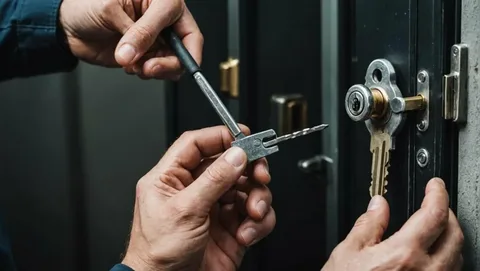
A door lock can become unreliable gradually, making it easy to overlook early warning signs. A key that sticks, a handle that feels loose, or a latch that no longer engages properly may indicate that the hardware needs attention. Calling a qualified locksmith at the right time can help prevent a minor fault from becoming a complete lock failure.
Understanding these warning signs can help you decide when to arrange an inspection and when a lock may need repair or replacement.
1. Your Key Is Becoming Difficult to Turn
If your key previously worked smoothly but now requires extra effort, something may have changed inside the lock or around the door.
Possible causes include a worn key, a damaged cylinder, or pressure caused by door misalignment.
Avoid forcing the key or repeatedly twisting it with excessive pressure. A key that breaks inside the cylinder can make access more difficult and increase the complexity of the repair.
If the problem continues, have the lock assessed before it stops working altogether.
2. The Lock Works Only When You Move the Door
Sometimes, a lock operates normally when the door is open but becomes difficult to use when the door is closed.
This may indicate that the latch or bolt is not lining up correctly with the strike plate. Worn hinges or changes in the door frame can also contribute to the problem.
Pay attention to whether you need to push, pull, or lift the door to make the lock engage.
These observations can help a technician identify whether the issue involves the lock mechanism or the surrounding hardware.
3. The Handle Feels Loose
A loose handle may seem like a minor inconvenience, but it can affect how the door operates.
Check for unusual movement, difficulty returning the handle to its normal position, or changes in the way the latch responds.
The problem may involve loose fittings, worn internal components, or damage to the handle assembly.
Avoid repeatedly tightening parts without understanding the cause. If the handle continues to loosen or the latch stops working properly, professional inspection may be appropriate.
4. The Lock Has Visible Damage
Visible damage deserves attention, particularly when it affects the part of the door responsible for securing the entrance.
Look for a cracked cylinder, damaged keyway, bent hardware, loose fittings, or signs that the lock has been forced.
If you suspect an attempted break-in, prioritize your safety and contact the appropriate authorities when necessary. Avoid disturbing potential evidence before it can be assessed.
A damaged lock may need replacement rather than a simple adjustment, depending on its condition.
5. Your Key Is Lost or Stolen
Losing a key does not automatically mean the lock is faulty, but it can create an access-control concern.
Consider whether the key can be connected to your home, office, or another property. If it has been stolen or its location creates a security risk, discuss rekeying or replacement with a qualified professional.
It is also worth reviewing access after moving into a new property, changing tenants, or ending arrangements with people who previously needed a key.
The appropriate solution depends on the lock type and the circumstances.
6. The Lock Is Repeatedly Jamming
A lock that jams occasionally may become completely unusable if the underlying problem is ignored.
Notice whether the issue happens with one key or several authorized keys. If a spare key works normally, the original key may be worn or damaged.
If multiple keys produce the same problem, the mechanism or door alignment may need further inspection.
Do not use excessive force or apply random household products inside the lock. The wrong treatment may attract dirt or interfere with the mechanism.
7. The Lock No Longer Meets Your Security Needs
A lock can continue operating while no longer meeting your current requirements.
For example, you may have moved into a property, changed who has access, or discovered that the existing hardware is damaged or unsuitable for the door.
In these situations, an inspection can help determine whether repair, rekeying, or replacement makes the most sense.
If you are considering a replacement, make sure the new lock is compatible with the door's construction and existing fittings.
When Is Repair Better Than Replacement?
The decision depends on the cause and extent of the damage.
Repair may be suitable when the problem involves minor alignment issues, loose hardware, or a component that can be restored reliably.
Replacement may be more appropriate when the cylinder is severely damaged, the mechanism has failed internally, or security requirements have changed.
For an aluminium entrance, selecting compatible hardware is particularly important. You can review an aluminium door lock option and check its suitability for your specific door before arranging installation.
Always compare the expected repair cost with the cost of a suitable replacement, including labour and any necessary adjustments.
How to Reduce Future Lock Problems
Regular checks can help you notice changes before a lock fails.
-
Operate the lock gently rather than forcing it.
-
Replace worn or bent keys.
-
Check that the door closes and aligns correctly.
-
Address loose handles and fittings.
-
Review access whenever keys are lost or occupancy changes.
-
Arrange an inspection if the lock repeatedly sticks.
These steps cannot prevent every fault, but they can reduce avoidable wear and help you maintain reliable access.
Final Thoughts
A lock rarely needs to be ignored until it stops working completely. Difficulty turning a key, a loose handle, visible damage, or repeated jamming can all justify a closer inspection.
A qualified locksmith can assess the cause and explain whether repair, rekeying, or replacement is the most practical option.
Addressing warning signs early can help you avoid unexpected lockouts and maintain better control over access to your property.

 English
 Arabic
 Spanish
 Portuguese
 Deutsch
 Turkish
 Dutch
 Italiano
 Russian
 Romaian
 Portuguese (Brazil)
 Greek